The Art Avalanche Is Real
Children are prolific artists. They come home from school with stacks of drawings, paint masterpieces at the kitchen table, and doodle on every scrap of paper they find. You want to keep it all, but closet space has limits. Throwing any of it away feels terrible. Let's break down the pros and cons of digital and physical preservation to find a strategy that actually works.
Note: Figmee currently offers figurine-style image generation and 3D model data (GLB / 3MF) downloads. Physical 3D print ordering is Coming Soon.
Digital Preservation Options
Phone Photos
The simplest approach is snapping a photo of each piece with your smartphone. It's fast, free, and unlimited.
Pros:
- Store thousands of drawings without using any physical space
- Cloud backup keeps them safe from disasters
- Easy to share with family near and far
- Searchable and sortable by date
Cons:
- Photos often get lost in your camera roll, never to be viewed again
- Poor lighting can miss important details and textures
- A photo of a drawing doesn't carry the same emotional weight as the real thing
3D Figurine Conversion
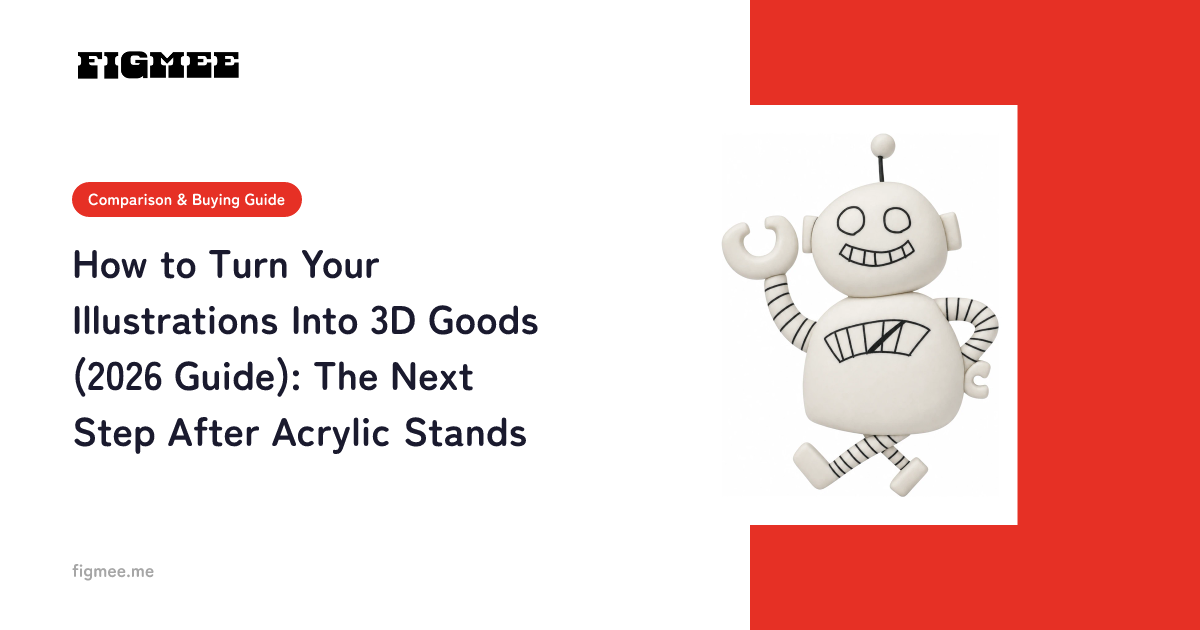
Services like Figmee take digital preservation a step further by transforming your child's drawing into a 3D figurine-style character. It's still a digital file, but it brings the artwork to life in a way that a flat photo cannot.
Physical Preservation Options
Keeping the Originals
Filing original artwork in folders or boxes preserves every crayon stroke and paint smudge exactly as your child created it.
Pros:
- Authentic texture and character of the original
- Tangible and satisfying to flip through
- Emotional connection that digital can't fully replicate
Cons:
- Takes up significant storage space over time
- Paper deteriorates, colors fade, and edges curl
- Organizing hundreds of pieces becomes overwhelming
Framing and Albums
Selecting the best pieces for frames or a dedicated art album is a beautiful way to honor your child's work, but it's only practical for a small fraction of their output.
The Best Strategy: Use Both
The most effective approach combines digital and physical methods in layers.
Layer 1: Photograph Everything
Make it a habit to photograph every piece of artwork before it even comes inside. Create folders organized by year and child's name for easy browsing later.
Layer 2: Keep the Best Originals
Choose 10-20 favorites per year to keep in a dedicated portfolio or box. This keeps the collection manageable while preserving the most meaningful originals.
Layer 3: Transform Standout Pieces into Figurine-Style Characters
For the truly special drawings, use Figmee to create a 3D figurine-style character. A figurine made from a birthday self-portrait or a first-day-of-school drawing becomes a milestone marker that tells your child's story.
Wrapping Up
You don't have to choose between digital and physical. The smartest families do both. Photograph everything, keep the best originals, and use Figmee to turn the most special drawings into 3D figurine-style characters. This layered approach ensures that none of your child's creativity is ever lost.